
Ευρυαγγείες: Αίτια, Πρόληψη και Σύγχρονη Δερματολογική Αντιμετώπισση
Τι είναι οι Ευρυαγγείες και γιατί εμφανίζονται;
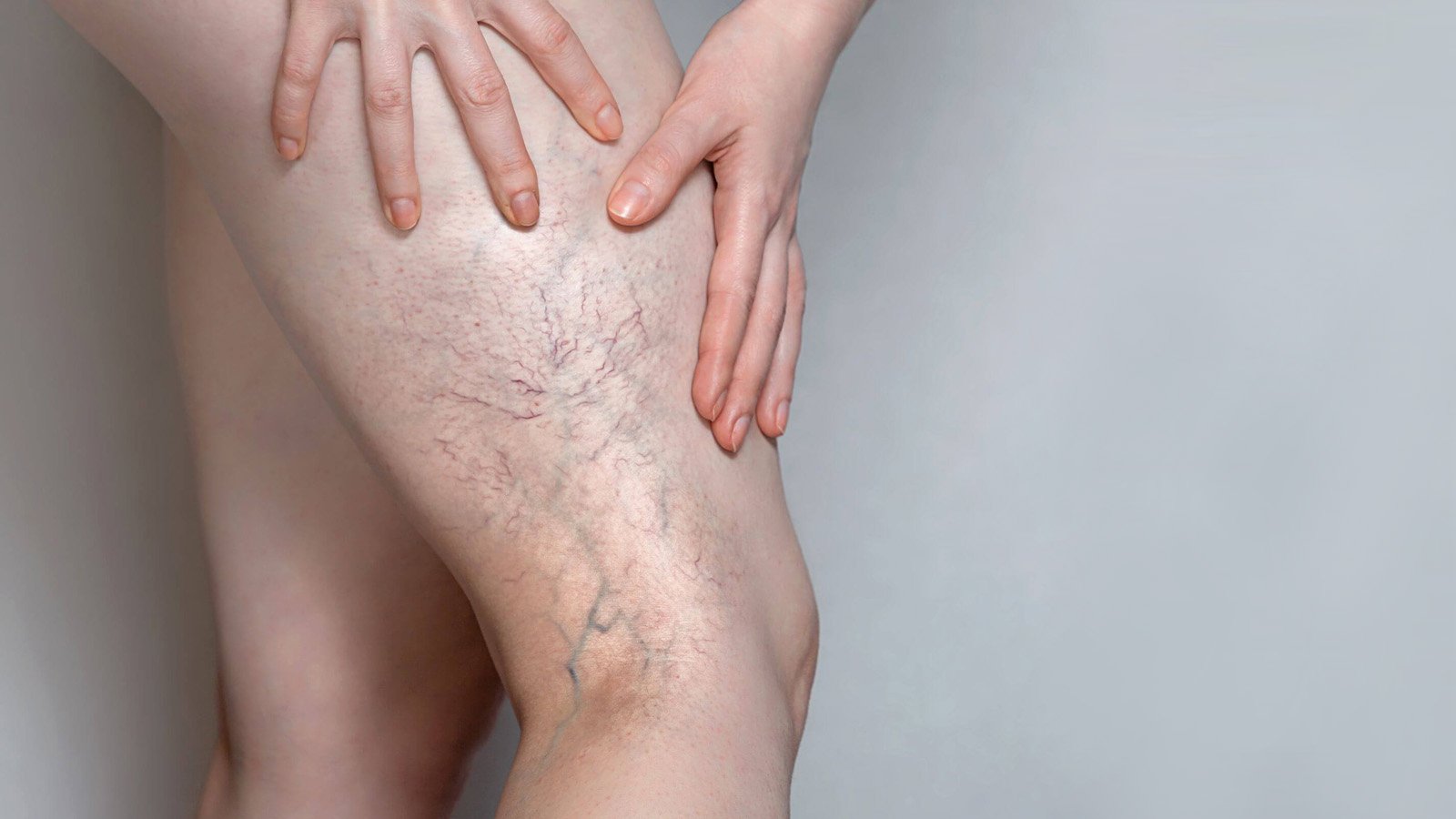
Οι ευρυαγγείες (τελαγγειεκτασίες) είναι μικρά, διευρυμένα αιμοφόρα αγγεία (φλεβίδια ή τριχοειδή) που βρίσκονται πολύ κοντά στην επιφάνεια του δέρματος. Εμφανίζονται ως λεπτές κόκκινες, μπλε ή μωβ γραμμές ή με τη μορφή «ιστού αράχνης» (spider veins).
Παρόλο που τις περισσότερες φορές αποτελούν αισθητικό πρόβλημα, στα κάτω άκρα μπορεί να συνδέονται με φλεβική ανεπάρκεια και να συνοδεύονται από συμπτώματα όπως αίσθημα βάρους, κάψιμο, κνησμό ή τοπικό πόνο, ιδιαίτερα μετά από παρατεταμένη ορθοστασία.
Ποιοι παράγοντες προκαλούν την εμφανιση Ευρυαγγειών;
Η εμφάνιση των ευρυαγγειών οφείλεται στη σταδιακή εξασθένηση των τοιχωμάτων των αγγείων και των βαλβίδων τους. Οι κυριότεροι επιβαρυντικοί παράγοντες περιλαμβάνουν:
- Γενετική Προδιάθεση & Κληρονομικότητα: Αποτελεί τον ισχυρότερο παράγοντα εμφάνισης, ειδικά στα κάτω άκρα.
- Ορμονικές Διακυμάνσεις: Η εγκυμοσύνη, η λήψη αντισυλληπτικών, η θεραπεία ορμονικής υποκατάστασης και η εμμηνόπαυση επηρεάζουν τη χαλάρωση των αγγειακών τοιχωμάτων.
- Τρόπος Ζωής & Επάγγελμα: Η παρατεταμένη ορθοστασία ή η καθιστική ζωή εμποδίζουν τη σωστή επιστροφή του αίματος προς την καρδιά.
- Ηλιακή Ακτινοβολία & Θερμότητα: Η αλόγιστη έκθεση στον ήλιο, η συχνή χρήση σάουνας, θερμών λουτρών ή ζεστού κεριού αποτρίχωσης επιδεινώνουν τις ευρυαγγείες, ειδικά στο πρόσωπο.
- Ηλικία & Αυξημένο Σωματικό Βάρος: Με την πάροδο του χρόνου τα αγγεία χάνουν την ελαστικότητά τους, ενώ το αυξημένο βάρος ασκεί επιπλέον πίεση στο φλεβικό σύστημα.
Σε ποιες περιοχές εμφανίζονται συχνότερα;
Οι ευρυαγγείες εντοπίζονται κυρίως σε δύο περιοχές του σώματος:
- Κάτω Άκρα (Πόδια): Εμφανίζονται στους μηρούς, τις γάμπες, τους αστραγάλους και την εσωτερική επιφάνεια των γονάτων, συχνά λόγω αυξημένης φλεβικής πίεσης.
- Πρόσωπο: Εμφανίζονται κυρίως στα πτερύγια της μύτης, τα μάγουλα και το πηγούνι (ροδόχρους νόσος, φωτογήρανση).
Πώς μπορούν να προληφθούν οι ευρυαγγείες;
Αν και η κληρονομική προδιάθεση δεν μπορεί να αλλάξει, ορισμένες συνήθειες καθυστερούν την εμφάνιση ή την επιδείνωσή τους:
- Τακτική σωματική άσκηση (περπάτημα, κολύμβηση) για την ενίσχυση της κυκλοφορίας του αίματος.
- Αποφυγή παρατεταμένης ορθοστασίας ή ακινησίας (κάντε μικρά διαλείμματα για περπάτημα).
- Διατήρηση φυσιολογικού σωματικού βάρους.
- Αποφυγή στενών ρούχων και ψηλών τακουνιών για μεγάλες χρονικές περιόδους.
- Καθημερινή χρήση αντηλιακού στο πρόσωπο και αποφυγή υπερβολικής έκθεσης σε θερμότητα.
Ποιες είναι οι σύγχρονες μέθοδοι θεραπείας;
Η εξάλειψη των ευρυαγγειών επιτυγχάνεται με ασφαλείς, μη επεμβατικές δερματολογικές τεχνικές:
- Laser Ευρυαγγειών (Exclusively / Vascular Lasers): Αποτελεί την πλέον ενδεδειγμένη μέθοδο για τις ευρυαγγείες του προσώπου και τις πολύ λεπτές κόκκινες ευρυαγγείες των ποδιών. Το φως του laser απορροφάται επιλεκτικά από την αιμοσφαιρίνη του αίματος μέσα στο αγγείο, προκαλώντας τη θερμική του σφράγιση (φωτοπηξία) και τη σταδιακή απορρόφησή του από τον οργανισμό, χωρίς να βλάπτεται η επιδερμίδα.
- Σκληροθεραπεία: Η μέθοδος εκλογής για τις μεσαίες και μεγαλύτερες μπλε/μωβ ευρυαγγείες των κάτω άκρων. Περιλαμβάνει την έγχυση μιας ειδικής σκληρυντικής ουσίας απευθείας στο αγγείο με εξαιρετικά λεπτή βελόνα, προκαλώντας τη σύγκλειση και την οριστική εξαφάνισή του.
Είναι επώδυνη η θεραπεία;
Όχι, οι θεραπείες είναι απόλυτα ανεκτές. Κατά την εφαρμογή του Laser παρατηρείται μόνο μια ελαφριά αίσθηση τσιμπήματος ή θερμότητας, η οποία ελαχιστοποιείται με τη χρήση ειδικών μηχανισμών ψύξης. Στη σκληροθεραπεία, τα τσιμπήματα είναι σχεδόν ανώδυνα λόγω του πολύ μικρού μεγέθους της βελόνας.
Πόσες συνεδρίες απαιτούνται και πότε φαίνονται τα αποτελέσματα;
Ο αριθμός των συνεδριών εξαρτάται από την έκταση, το μέγεθος και το βάθος των αγγείων. Συνήθως απαιτούνται 2 έως 4 συνεδρίες με μεσοδιαστήματα 4-6 εβδομάδων. Τα αγγεία αρχίζουν να υποχωρούν σταδιακά τις επόμενες εβδομάδες μετά από κάθε συνεδρία.
Υπάρχει χρόνος αποθεραπείας;
Δεν απαιτείται χρόνος απουσίας από τις καθημερινές δραστηριότητες. Μετά τη θεραπεία μπορεί να εμφανιστεί ήπια ερυθρότητα, ελαφρύ οίδημα ή μικρές εκχυμώσεις (μελανιές), που υποχωρούν μέσα σε λίγες ημέρες. Σε θεραπείες κάτω άκρων, μπορεί να συσταθεί η χρήση ελαστικών καλτσών διαβαθμισμένης συμπίεσης για λίγες ημέρες.
Υπεύθυνη Φροντίδα στο Dermtherapy
Η αποτελεσματική αντιμετώπιση των ευρυαγγειών απαιτεί σωστή διαγνωστική εκτίμηση του αγγειακού δικτύου και επιλογή της κατάλληλης θεραπευτικής τεχνικής. Στο δερματολογικό ιατρείο Dermtherapy στο Γαλάτσι, ο Δερματολόγος – Αφροδισιολόγος Αλέξανδρος Σουμαλεύρης εφαρμόζει σύγχρονα ιατρικά πρωτόκολλα Laser και Σκληροθεραπείας για την ασφαλή και οριστική αποκατάσταση της υγείας και της αισθητικής εικόνας του δέρματός σας.