
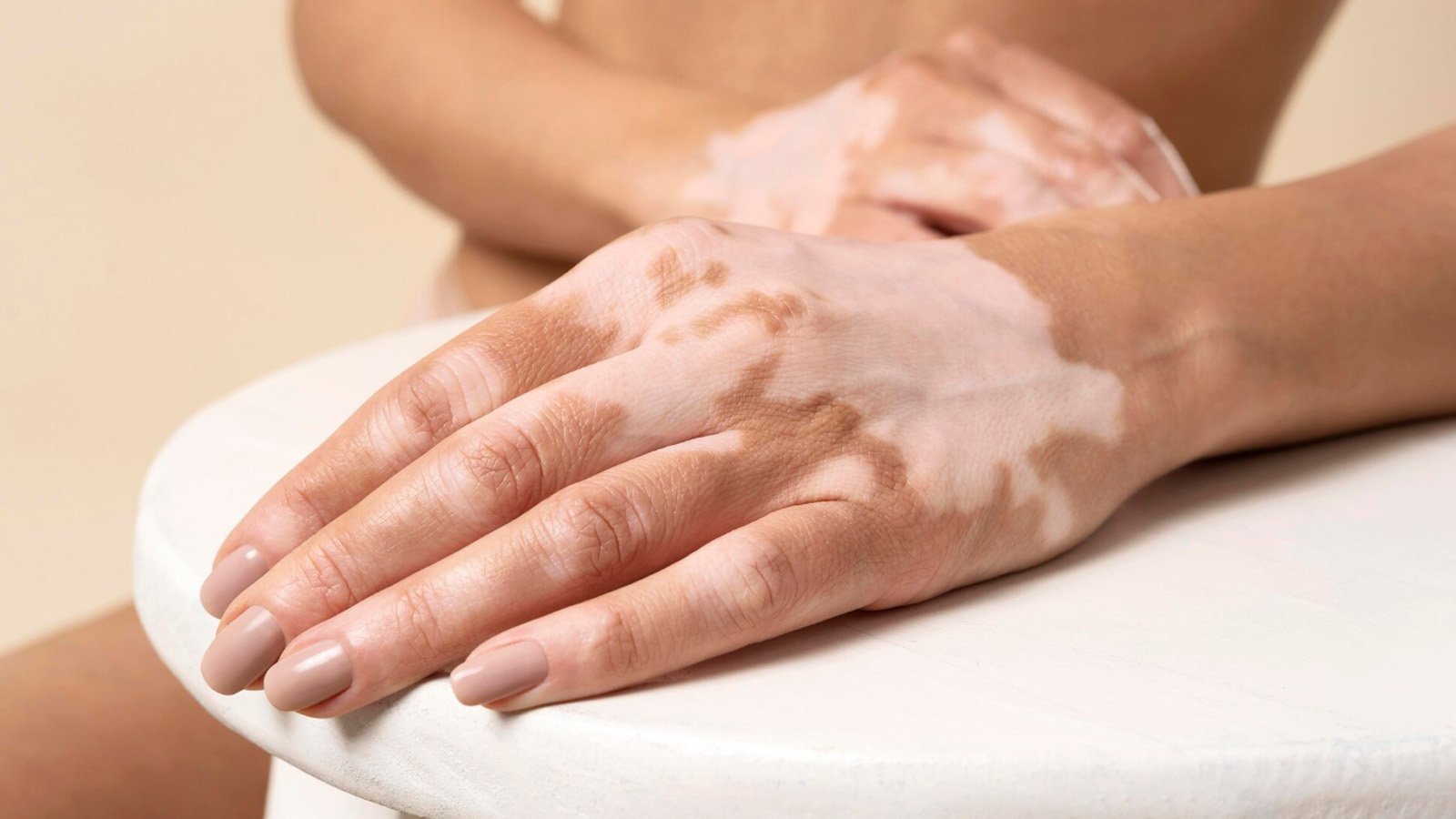
Λεύκη: Αίτια, Μορφές και Σύγχρονες Δερματολογικές Θεραπείες
Η λεύκη είναι μια επίκτητη, χρόνια δερματοπάθεια που χαρακτηρίζεται από την καταστροφή των μελανοκυττάρων — των κυττάρων που παράγουν τη μελανίνη, τη χρωστική ουσία που δίνει το φυσικό χρώμα στο δέρμα, τις τρίχες και τα μάτια. Αποτέλεσμα αυτής της διαδικασίας είναι η εμφάνιση λευκών κηλίδων (πλακών) σε διάφορες περιοχές του σώματος.
Η λεύκη μπορεί να εκδηλωθεί σε οποιαδήποτε ηλικία, αν και στο 50% των περιπτώσεων εμφανίζεται πριν από την ηλικία των 20 ετών. Επηρεάζει εξίσου άνδρες και γυναίκες όλων των φυλών, ενώ είναι πιο εμφανής σε άτομα με σκουρόχρωμο δέρμα. Παρά το γεγονός ότι δεν είναι μεταδοτική ούτε επικίνδυνη για τη σωματική υγεία, μπορεί να επηρεάσει σημαντικά την ψυχολογία και την ποιότητα ζωής του ασθενούς.
Πού οφείλεται η Λεύκη; (Αίτια & Παθογένεια)
Η ακριβής αιτιολογία της λεύκης παραμένει αντικείμενο επιστημονικής έρευνας, ωστόσο η επικρατέστερη θεωρία είναι ότι πρόκειται για αυτοάνοσο νόσημα. Στη λεύκη, το ανοσοποιητικό σύστημα αναγνωρίζει λανθασμένα τα μελανοκύτταρα ως ξένους οργανισμούς και τα καταστρέφει.
Στη δημιουργία και εξέλιξη της νόσου συντελούν διάφοροι παράγοντες:
- Γενετική προδιάθεση: Περίπου το 20-30% των ατόμων με λεύκη έχουν κάποιον συγγενή με την ίδια πάθηση.
- Συνοδά αυτοάνοσα νοσήματα: Η λεύκη συνδέεται συχνά με άλλες αυτοάνοσες διαταραχές, όπως παθήσεις του θυρεοειδούς (π.χ. θυρεοειδίτιδα Hashimoto), γυροειδή αλωπεκία, σακχαρώδη διαβήτη τύπου 1 και αναιμία.
- Οξειδωτικό στρες: Συσσώρευση τοξικών ελεύθερωνριζών στα μελανοκύτταρα που οδηγεί στην αυτοκαταστροφή τους.
- Ψυχολογικό & Σωματικό Στρες: Έντονα στρεσογόνα γεγονότα, σοβαροί τραυματισμοί του δέρματος ή ηλιακά εγκαύματα (φαινόμενο Koebner) μπορούν να πυροδοτήσουν την εμφάνιση ή την εξάπλωση των βλαβών.
Ποιοι είναι οι Τύποι και τα Συμπτώματα της Λεύκης;
Το κύριο σύμπτωμα είναι η ανώδυνη απώλεια του χρώματος του δέρματος. Οι κηλίδες έχουν συνήθως σαφώς αφορισμένα όρια και εμφανίζονται συχνότερα σε περιοχές που εκτίθενται στον ήλιο (πρόσωπο, χέρια, λαιμός), γύρω από φυσικά στόμια (μάτια, στόμα, μύτη), στις αρθρώσεις (αγκώνες, γόνατα) και στην περιοχή των γεννητικών οργάνων.
Ανάλογα με την έκταση και την κατανομή των βλαβών, η λεύκη ταξινομείται σε:
- Εστιακή ή Περιορισμένη: Εμφανίζεται σε μία ή λίγες μεμονωμένες περιοχές.
- Τμηματική (Segmental): Περιορίζεται σε μία πλευρά του σώματος (π.χ. σε ένα σκέλος ή στη μία πλευρά του προσώπου) και ακολουθεί συγκεκριμένο νευροτόμιο. Εμφανίζεται συνήθως σε νεαρή ηλικία και σταθεροποιείται γρήγορα.
- Γενικευμένη (Non-segmental): Ο πιο συχνός τύπος, όπου οι λευκές κηλίδες εμφανίζονται συμμετρικά και στις δύο πλευρές του σώματος.
- Καολική (Universal): Σπάνια μορφή όπου καλύπτει σχεδόν το σύνολο του δέρματος.
Παράλληλα, η λεύκη μπορεί να προκαλέσει προπεράτωση (πρώιμο γκριζάρισμα) των τριχών του τριχωτού της κεφαλής, των φρυδιών ή των γενειάδων (πολίωση).
Πώς διαγιγνώσκεται η Λεύκη στο Ιατρείο;
Η διάγνωση γίνεται κυρίως μέσω της κλινικής εξέτασης από τον δερματολόγο. Σε αρχικά στάδια ή σε ανοιχτόχρωμα δέρματα, χρησιμοποιείται η Lampa Wood (ειδική λάμπα υπεριώδους φωτός) που αναδεικνύει τις περιοχές με απώλεια μελανίνης.
Επιπλέον, επειδή η λεύκη σχετίζεται με άλλα αυτοάνοσα νοσήματα, ο δερματολόγος μπορεί να συστήσει στοχευμένο αιματολογικό έλεγχο (έλεγχο θυρεοειδικών ορμονών, αντισωμάτων, βιταμίνης B12 κ.ά.) για μια ολοκληρωμένη αξιολόγηση της υγείας σας.
Ποιος είναι ο στόχος της Δερματολογικής Θεραπείας;
Η εξατομικευμένη θεραπεία που εφαρμόζεται στο ιατρείο μας στοχεύει στην αντιμετώπιση όλων των αιτιολογικών παραγόντων της νόσου:
- Στη μείωση της παραγωγής σμήγματος.
- Στην ομαλοποίηση της απολέπισης και της κερατινοποίησης στον τριχοσμηγματικό θύλακα.
- Στην εξάλειψη του βακτηριδίου της ακμής και της συνοδού φλεγμονής.
- Στην πρόληψη των ουλών και των μεταφλεγμονωδών υπερμελαγχρώσεων (σημάδια).
Θεραπευτικές Επιλογές και Αντιμετώπιση
Αν και δεν υπάρχει ριζική θεραπεία που να εξαφανίζει οριστικά τη νόσο, οι σύγχρονες δερματολογικές θεραπείες στοχεύουν στην αναστολή της εξέλιξης της λεύκης και στην επαναμελάγχρωση (επαναφορά του χρώματος) των προσβεβλημένων περιοχών:
- Τοπική Φαρμακευτική Αγωγή: Χρήση ισχυρών τοπικών κορτικοστεροειδών ή αναστολέων καλσινευρίνης (tacrolimus, pimecrolimus) για τη μείωση της τοπικής φλεγμονής και την ενεργοποίηση των μελανοκυττάρων.
- Φωτοθεραπεία (Narrowband UVB): Μία από τις πιο αποτελεσματικές και ασφαλείς μεθόδους, κατά την οποία το δέρμα εκτίθεται σε ειδικό φάσμα υπεριώδους ακτινοβολίας για την διέγερση της παραγωγής μελανίνης.
- Νεότερες Στοχευμένες Θεραπείες: Χρήση τοπικών αναστολέων JAK (JAK inhibitors), που αντιπροσωπεύουν τη νέα εποχή στη διαχείριση των αυτοάνοσων δερματοπαθειών.
- Αντηλιακή Προστασία & Παραλλαγή (Camouflage): Η καθημερινή χρήση αντηλιακού ευρέος φάσματος είναι απαραίτητη, καθώς το αποχρωματισμένο δέρμα καίγεται εύκολα από τον ήλιο. Ειδικά ιατρικά προϊόντα μακιγιάζ μπορούν επίσης να καλύψουν προσωρινά τις βλάβες.
Εξατομικευμένη Φροντίδα στο Dermtherapy
Η θεραπεία της λεύκης απαιτεί υπομονή, συνέπεια και επιστημονική καθοδήγηση προσαρμοσμένη στις ανάγκες κάθε ασθενούς. Στο δερματολογικό ιατρείο Dermtherapy στο Γαλάτσι, ο Δερματολόγος – Αφροδισιολόγος Αλέξανδρος Σουμαλεύρης σχεδιάζει το κατάλληλο θεραπευτικό πλάνο με στόχο τη σταθεροποίηση της νόσου και τη μέγιστη δυνατή επαναμελάγχρωση.