
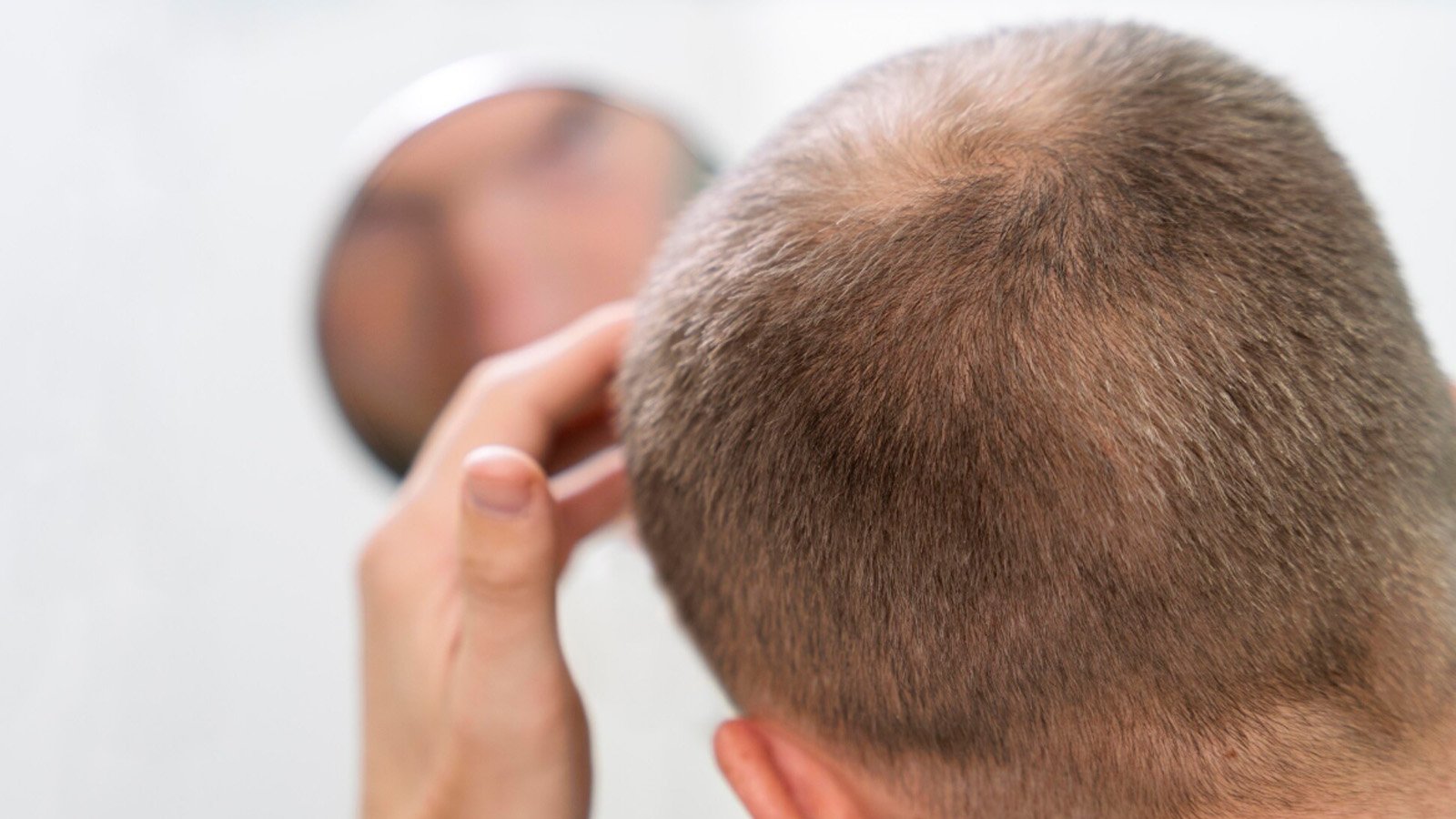
Τριχόπτωση: Αίτια, Μορφές Αλωπεκίας και Σύγχρονη Δερματολογική Αντιμετώπιση
Τι είναι η Τριχόπτωση και πότε θεωρείται παθολογική;
Η απώλεια ορισμένων τριχών σε καθημερινή βάση αποτελεί απόλυτα φυσιολογικό μέρος του κύκλου ζωής των μαλλιών. Φυσιολογικά, ένας άνθρωπος χάνει από 50 έως 100 τρίχες την ημέρα, οι οποίες αντικαθίστανται από νέες που αναπτύσσονται από τους ίδιους τριχικούς θύλακες.
Όταν όμως η πτώση αυξάνεται αισθητά, παρουσιάζει εποχική ή διαρκή έξαρση και οι τρίχες που πέφτουν δεν αντικαθίστανται με τον ίδιο ρυθμό, τότε μιλάμε για παθολογική τριχόπτωση. Η κατάσταση αυτή οδηγεί σταδιακά σε ορατή αραίωση του τριχωτού της κεφαλής σε διάφορους βαθμούς (στάδια αλωπεκίας σύμφωνα με τις διεθνείς κλίμακες Hamilton-Norwood για τους άνδρες και Ludwig για τις γυναίκες).
Ποιοι παράγοντες προκαλούν Τριχόπτωση;
Η τριχόπτωση είναι μια πολυπαραγοντική εκδήλωση και μπορεί να οφείλεται σε πληθώρα οργανικών, ορμονικών ή περιβαλλοντικών αιτίων:
- Γενετική Προδιάθεση & Κληρονομικότητα: Αποτελεί την κύρια αιτία για τη συνήθη ανδρογενετικού τύπου τριχόπτωση τόσο στους άνδρες όσο και στις γυναίκες. Η γενετική πληροφορία κληρονομείται και από τους δύο γονείς.
- Έντονο Ψυχολογικό ή Σωματικό Στρες: Στρεσογόνες εμπειρίες, όπως ένα χειρουργείο, ένας σοβαρός τραυματισμός, ο υψηλός πυρετός ή η απώλεια προσφιλούς προσώπου, μπορούν να πυροδοτήσουν απότομη τριχόπτωση (αντιδραστική τριχόρροια). Εάν δεν συνυπάρχει οργανικό πρόβλημα, τα μαλλιά επανέρχονται σταδιακά μετά από μερικούς μήνες.
- Έλλειψη Θρεπτικών Συστατικών & Αναιμία: Η έλλειψη σιδήρου (σιδηροπενική αναιμία), βιταμίνης D, ψευδαργύρου ή φυλλικού οξέος επηρεάζει άμεσα τη θρέψη των θυλάκων. Η διόρθωση της αναιμίας αποτελεί βασική προϋπόθεση για την επιτυχή αντιμετώπιση της τριχόπτωσης.
- Ορμονικές Διαταραχές: Αν και ορμονικό πρόβλημα εντοπίζεται σε ποσοστό κάτω του 5% των γυναικών με τριχόπτωση, καταστάσεις όπως το σύνδρομο πολυκυστικών ωοθηκών, οι παθήσεις του θυρεοειδούς, η εγκυμοσύνη, ο τοκετός και η εμμηνόπαυση επηρεάζουν σημαντικά την πυκνότητα των μαλλιών.
Μύθοι και Αλήθειες για την Τριχόπτωση
Υπάρχουν αρκετές παρανοήσεις σχετικά με τους παράγοντες που προκαλούν απώλεια μαλλιών:
- Λιπαρότητα και Τριχόπτωση: Πολύ συχνά συνυπάρχει αυξημένη λιπαρότητα στο δέρμα και τα μαλλιά μαζί με την τριχόπτωση. Ωστόσο, αποτελούν δύο ξεχωριστές καταστάσεις. Η αντιμετώπιση της λιπαρότητας βελτιώνει την υγεία του δέρματος, αλλά δεν θεραπεύει από μόνη της την τριχόπτωση.
- Βαφές, Προϊόντα Styling & Στεγνωτήρας (Πιστολάκι): Οι τεχνικές επεξεργασίας των μαλλιών και η θερμότητα μπορούν να προκαλέσουν φθορά, σπάσιμο της τρίχας ή ξηρότητα, αλλά δεν καταστρέφουν τη ρίζα (θύλακα) της τρίχας ώστε να προκαλέσουν μόνιμη αλωπεκία, εκτός αν προκληθεί σοβαρός χημικός ή θερμικός ερεθισμός στο δέρμα.
Τύποι Αλωπεκίας
Ανάλογα με τον παθογενετικό μηχανισμό, η τριχόπτωση ταξινομείται σε διαφορετικές μορφές:
- Ανδρογενετική Αλωπεκία: Η πιο συχνή μορφή αραίωσης. Στους άνδρες εκδηλώνεται με υποχώρηση της γραμμής των μαλλιών στο μέτωπο (κροτάφους) και αραίωση στην κορυφή. Στις γυναίκες εκδηλώνεται ως διάχυτη αραίωση στην κορυφή της κεφαλής με διατήρηση της πρόσθιας γραμμής.
- Διάχυτη Τριχόρροια (Telogen Effluvium): Γρήγορη και γενικευμένη απώλεια τριχών που προκαλείται από στρες, ασθένεια, λήψη φαρμάκων ή ελλείψεις ιχνοστοιχείων.
- Γυροειδής Αλωπεκία (Alopecia Areata): Αυτοάνοση πάθηση που προκαλεί τοπική, κυκλική απώλεια τριχών σε μία ή περισσότερες περιοχές του τριχωτού.
Διάγνωση: Ψηφιακή Τριχοσκόπηση & Εργαστηριακός Έλεγχος
Η σωστή αντιμετώπιση ξεκινά από την έγκυρη διάγνωση. Στο ιατρείο μας, η αξιολόγηση περιλαμβάνει:
- Ψηφιακή Τριχοσκόπηση: Μη επεμβατική εξέταση υψηλής ανάλυσης για τη μέτρηση της πυκνότητας, του πάχους της τρίχας και την εκτίμηση της υγείας των τριχικών θυλάκων.
- Λεπτομερές Ιστορικό & Κλινική Εξέταση: Αξιολόγηση του τρόπου ζωής, του οικογενειακού ιστορικού και των συμπτωμάτων.
- Εργαστηριακός Έλεγχος: Αιματολογικές και ορμονικές εξετάσεις (έλεγχος σιδήρου, φερριτίνης, βιταμίνης D, θυρεοειδούς) για τον εντοπισμό τυχόν υποκείμενων οργανικών διαταραχών.
Σύγχρονες Θεραπείες Αντιμετώπισης της Τριχόπτωσης
Η θεραπευτική προσέγγιση είναι αυστηρά εξατομικευμένη και μπορεί να περιλαμβάνει:
- Τοπικές & Από του Στόματος Φαρμακευτικές Αγωγές: Χρήση εγκεκριμένων ουσιών (όπως μινοξιδίλη, ειδικοί αναστολείς ανδρογόνων) που επιβραδύνουν την τριχόπτωση και διεγείρουν την επανέκφυση νέων τριχών.
- Ενέσιμη Μεσοθεραπεία Τριχωτού (PRP & Βιταμίνες): Εφαρμογή αυτόλογου πλάσματος πλούσιου σε αιμοπετάλια (PRP) ή πολυβιταμινούχων σκευασμάτων απευθείας στους τριχικούς θύλακες για την ενίσχυση της μικροκυκλοφορίας και την αναζωογόνηση των μαλλιών.
- Συμπληρώματα Διατροφής & Διόρθωση Ελλείψεων: Στοχευμένη χορήγηση βιταμινών, σιδήρου και ιχνοστοιχείων όπου κρίνεται απαραίτητο.
Εξατομικευμένη Φροντίδα στο Dermtherapy
Η τριχόπτωση αντιμετωπίζεται αποτελεσματικά όταν διαγνωστεί έγκαιρα. Στο δερματολογικό ιατρείο Dermtherapy στο Γαλάτσι, ο Δερματολόγος – Αφροδισιολόγος Αλέξανδρος Σουμαλεύρης παρέχει υπεύθυνη επιστημονική διάγνωση και σχεδιάζει το κατάλληλο θεραπευτικό πλάνο για την αποκατάσταση της υγείας και της πυκνότητας των μαλλιών σας.